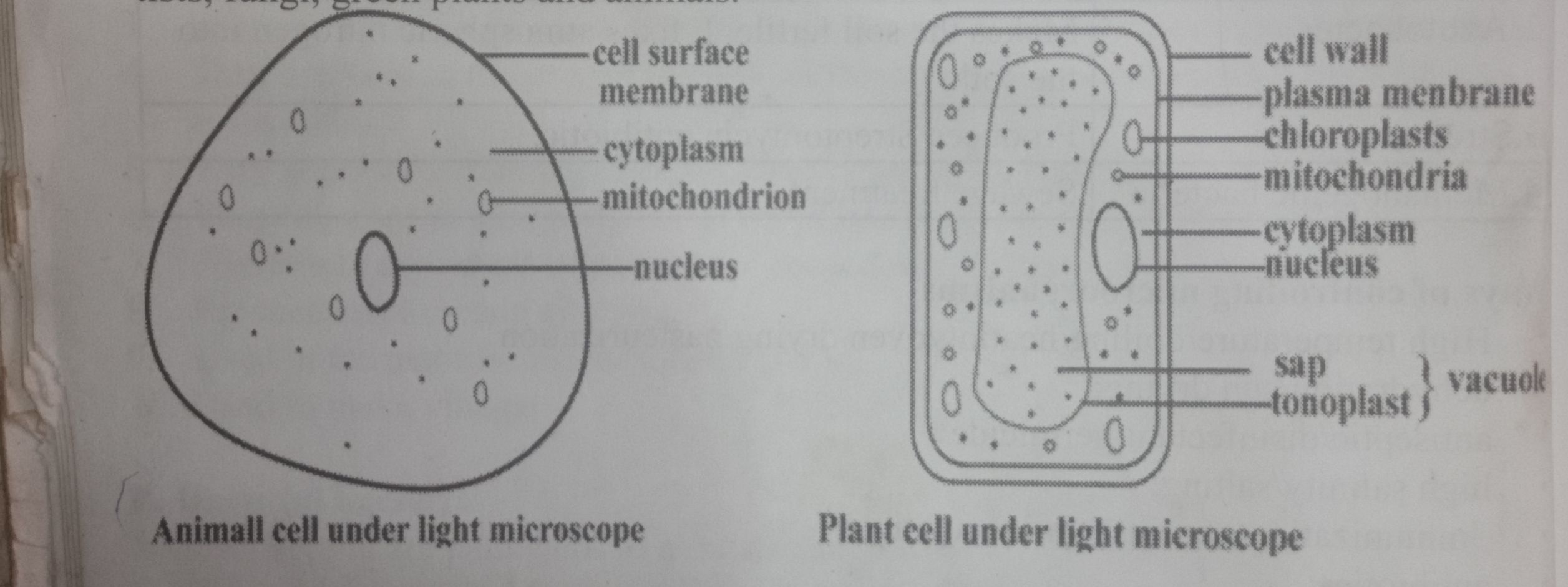
An eukaryotic cell has a nucleus which is bounded by a nuclear membrane. Most eukaryotic cells also contain other membrane-bound organelles such as mitochondria; chloroplasts and the Golgi apparatus. Examples of eukaryotic cells include all protoc tists, fungi, green plants and animals.
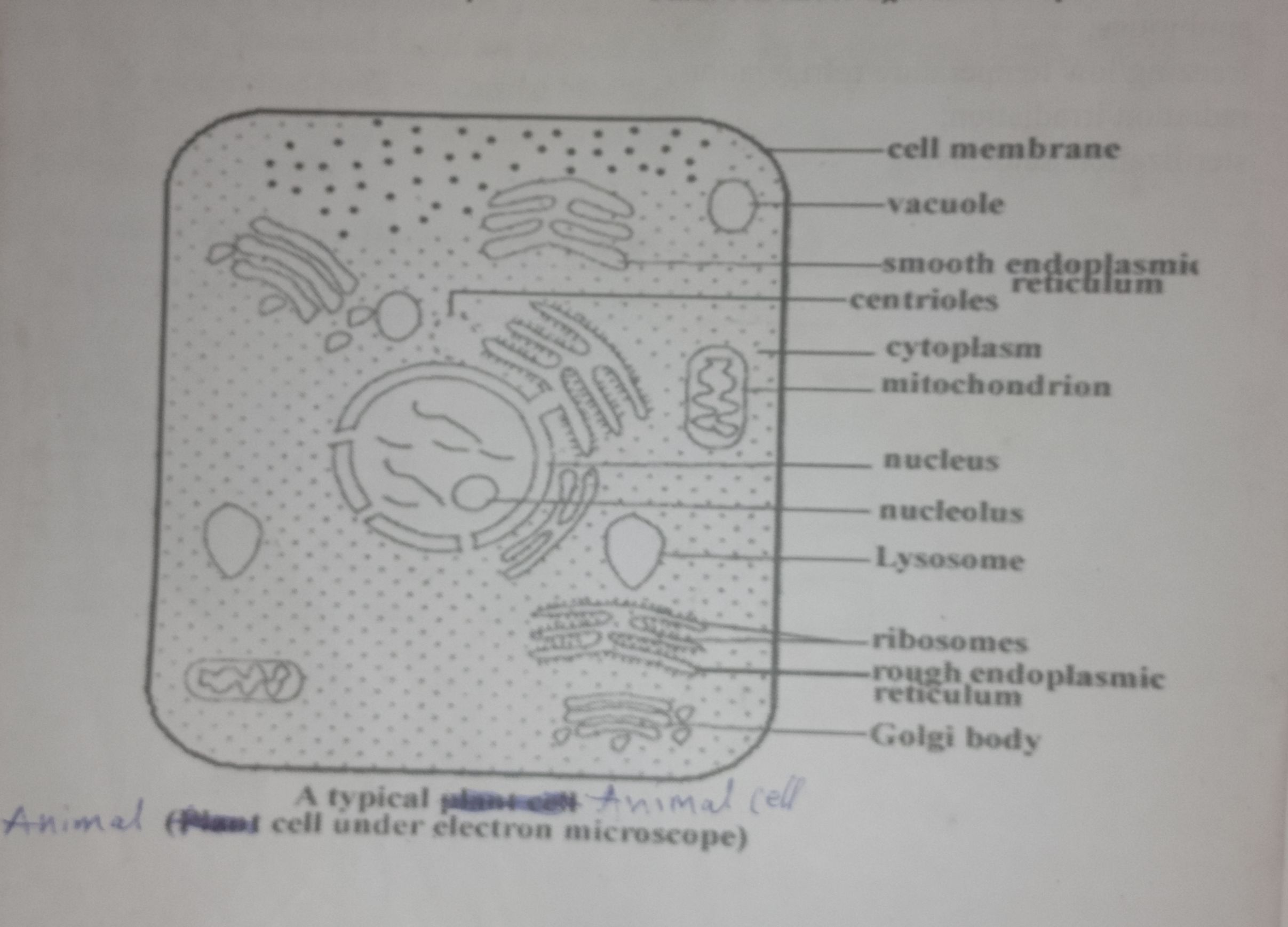
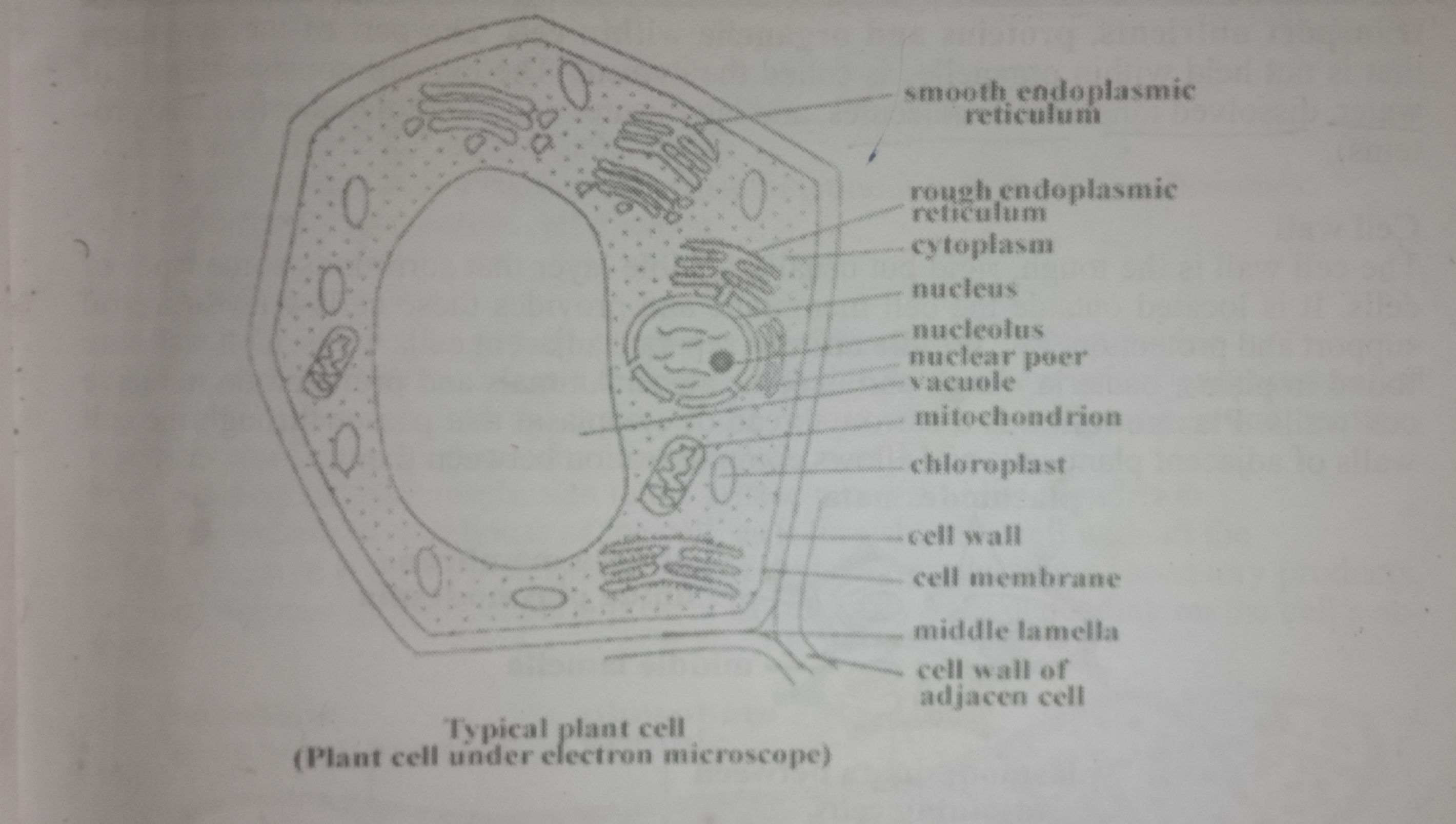
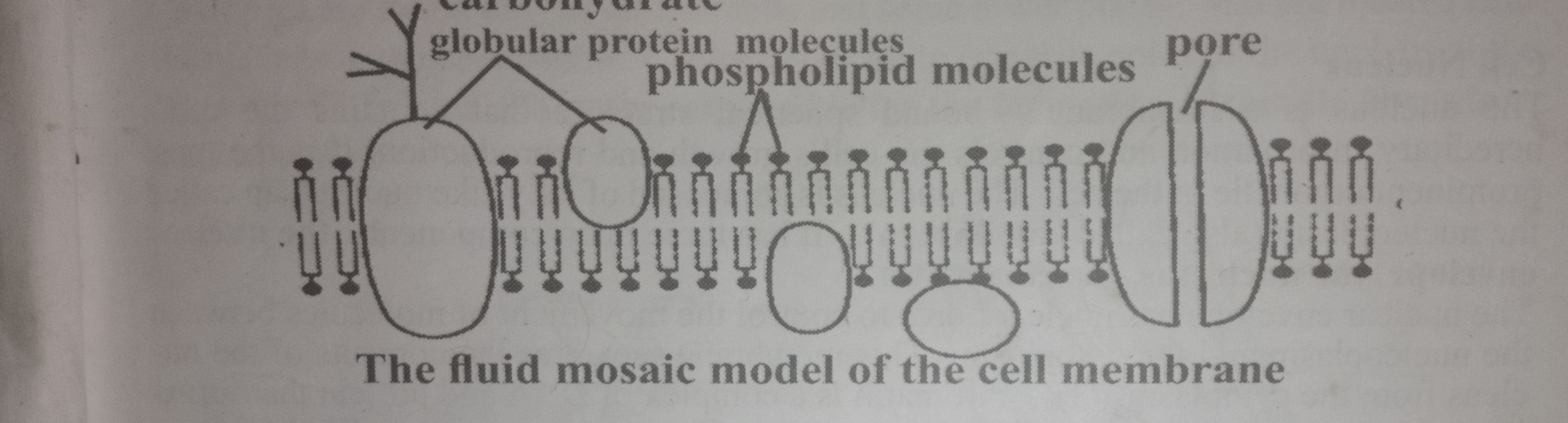
Cell membrane is a membrane common to both plant and animal cells. The cell membrane is a biological membrane that separates the interior of all cells from the outside environment. It consists of the lipid bilayer with embedded proteins.
The lipid molecules (mostly phospholipids) that make up the membrane have a polar, hydrophilic head and two hydrophobic hydrocarbon tails. Lipids generally give membranes their flexibility.
The cell membrane is selectively permeable to ions and organic molecules and controls the movement of substances in and out of cells. It basically protects the cell from outside forces.
The cytoplasm is a jelly-like substance residing between the cell membrane holding all the cell's internal sub-structures called organelles.The jelly - like substance is made of dissolved nutrients and the different material move throughout the cell by a process called cytoplasmic streaming or protoplasmic streaming or cyclosis.
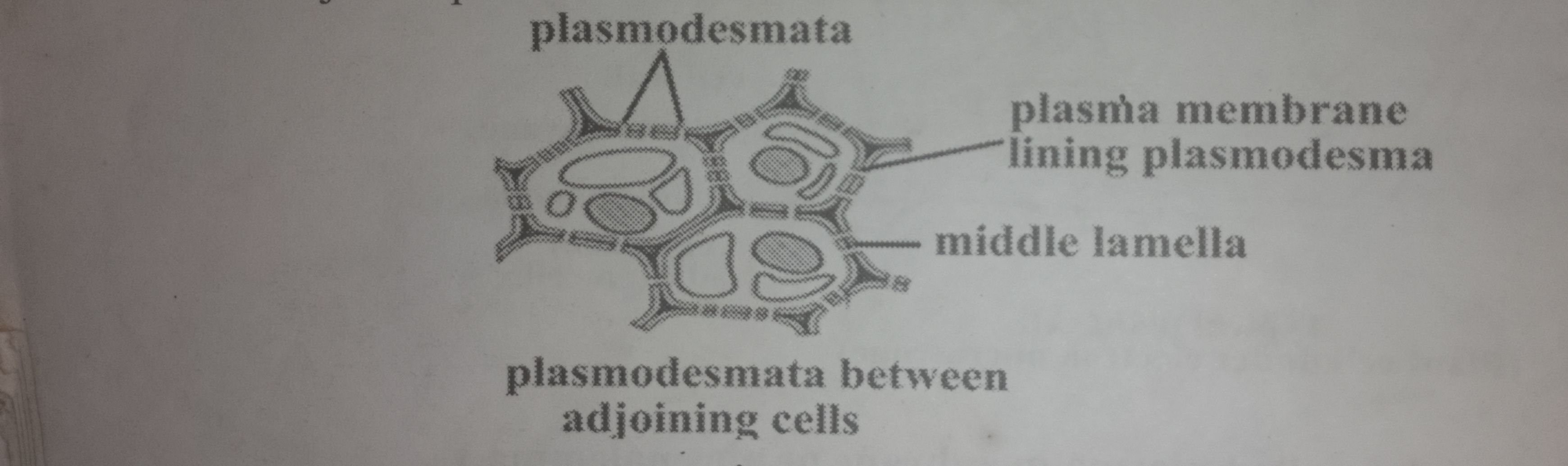
The motion transport nutrients, proteins and organelle within cell. The part of the cytoplasm that is not held within organelles is called the cytosol. The cytosol consists mostly of water, dissolved ions, small molecules, and large water-soluble molecules (such as proteins). Cell wallThe cell wall is the tough, rigid but usually flexible layer that surrounds some types of - cells. It is located outside the cell membrane and provides these cells with structural support and protection. The middle lamella separate adjacent cells walls. Cell walls are found in plants, bacteria, fungi, and in some algae. Animals and protozoa do not have cell walls. Plasmodesmais a narrow thread of cytoplasm that passes through the cell walls of adjacent plant cells and allows communication between them.
An organelle is a minute membrane-bound structure within a eukaryotic cell that performs specific functions. Some major organelles that are suspended in the cytosol are the mitochondria, the endoplasmic reticulum, the Golgi apparatus, vacuoles, lysosomes, and in plant cells, chloroplasts.
The nucleus is a membrane-bound spherical structure that contains the cell's hereditary information and controls the cell’s growth and reproduction. It is the most prominent organelle in the cell. The nucleus is composed of jelly-like nuclear sap called the nucleoplasm (also called karyoplasm). It has three main components: the nuclear envelope, the nucleolus, and the chromatin.
The nuclear envelope has nuclear pores to control the movement of molecules between the nucleoplasm and the cytoplasm. This membrane separates the contents of the nu cleus from the cytoplasm. The chromatin is a complex of DNA and protein that forms long, thin, entangled threads called chromosomes. Chromosomes contain DNA (deoxyribonucleic acid) which provides the genetic information necessary for the production of other cell components and for the reproduction of life. Within the nucleus is a nucleolus, whose function is to produce ribosomes.
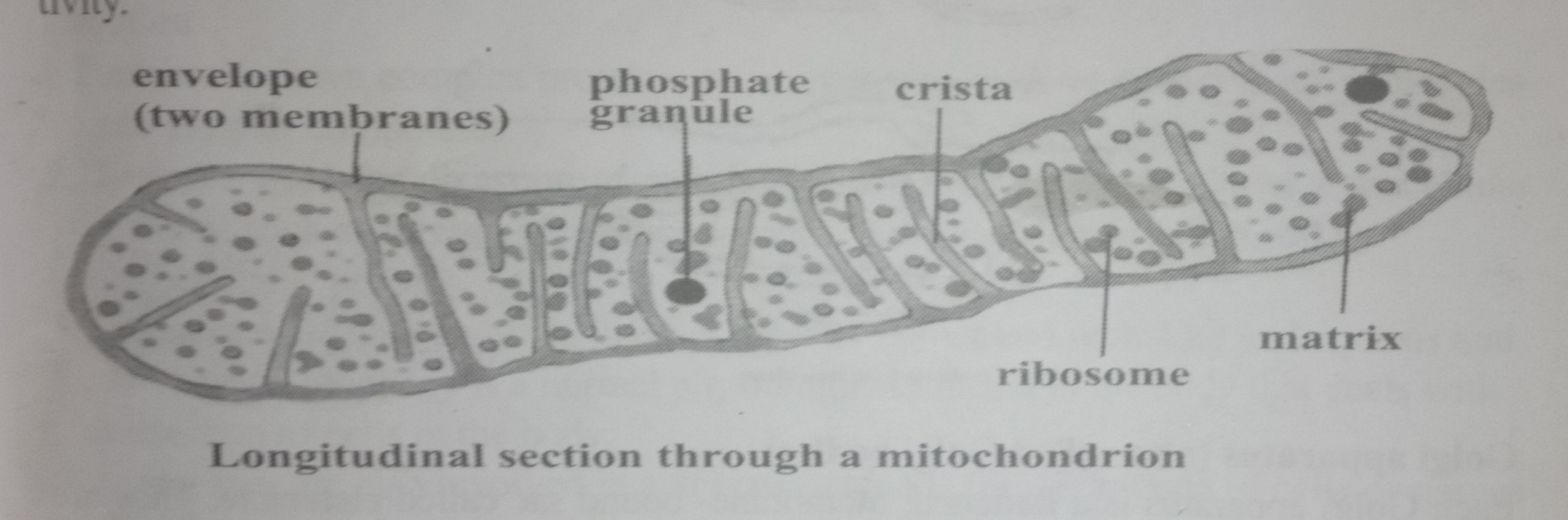
It is a sausage-shaped or spindle-shaped organelle surrounded by a double-layer membrane, with the inner membrane folded to form a network of partitions called cristae, which project into the inside of the matrix of the mitochondrion and contain enzymes and DNA. Its function is the production of ATP or energy during cellular respiration in the cristae network.
Mitochondria are popularly called the “power house of the cell” as they furnish the cell with all the energy required (ATP) for locomotion, cell division, production of secretory products, etc. The number of mitochondria present in cells may vary depending on the cell’s activity.
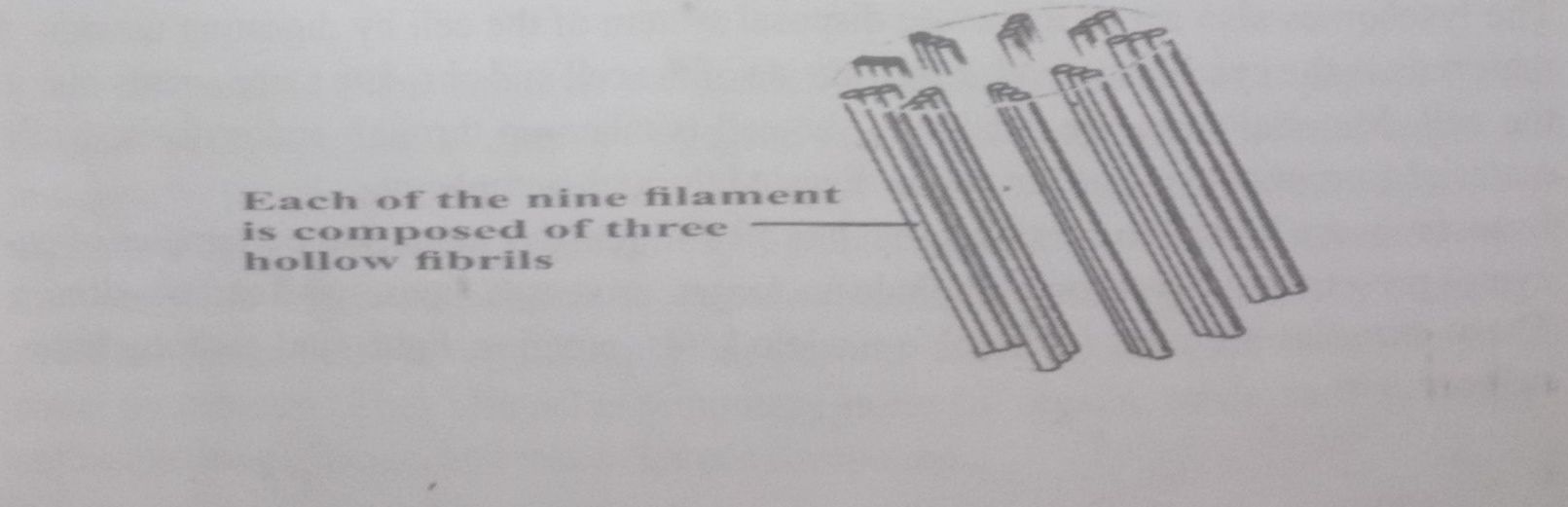
Centrioles are self-replicating, cylindrical bodies comprised of 9 triplet bundles of microtubules. This means each bundle has 3 microtubules and there are such 9 bundles.
Centrioles are found only in animal cells and some lower plants, and are located near the nucleus in the centrosome. Centrioles move to opposite poles of the nucleus at the onset of cell division. They are responsible for the formation of spindle fibres in animal cells.
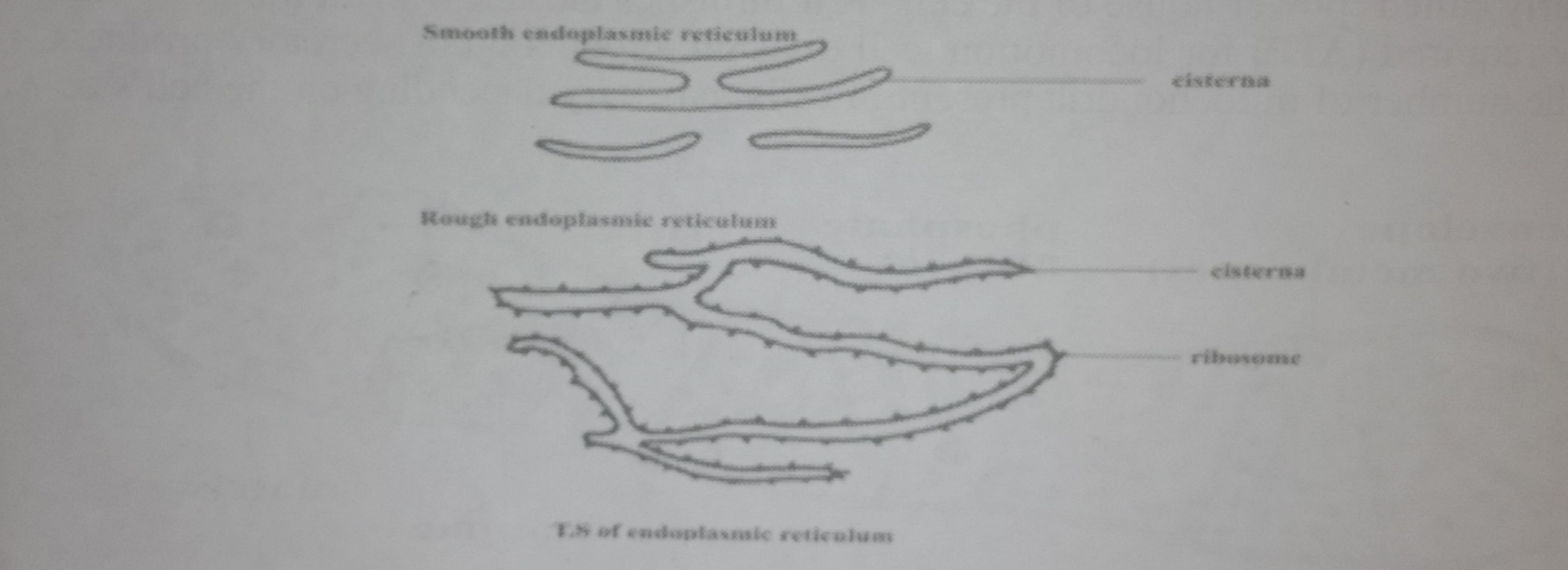
ER consists of a series of flattened cavities lined with double membranes which are interconnected with another. The cavities are called cisternae.
There are two types: smooth and rough endoplasmic reticulum.
The rough ER have ribosomes on the surface of the membranes and continuous with the nuclear membrane. It provides a supporting platform for ribosomes, produces and transports proteins and other materials, and stores synthesized materials.
The smooth ER have no ribosomes on the surface of the membranes. It forms a large surface area for the exchange of materials with the cytoplasm and gives mechanical support to the cytoplasm. It also produces lipids and steroids and stores synthesized materials.
Each Golgi apparatus is a flattened, membrane- bound sac called cisternae. They are contained in the cytoplasm of eukaryotic cells but absence in prokaryotic cells. They are involved in the secretion and packaging of complex carbohydrate and protein. Complex proteins are both made and synthesized in the Golgi apparatus.
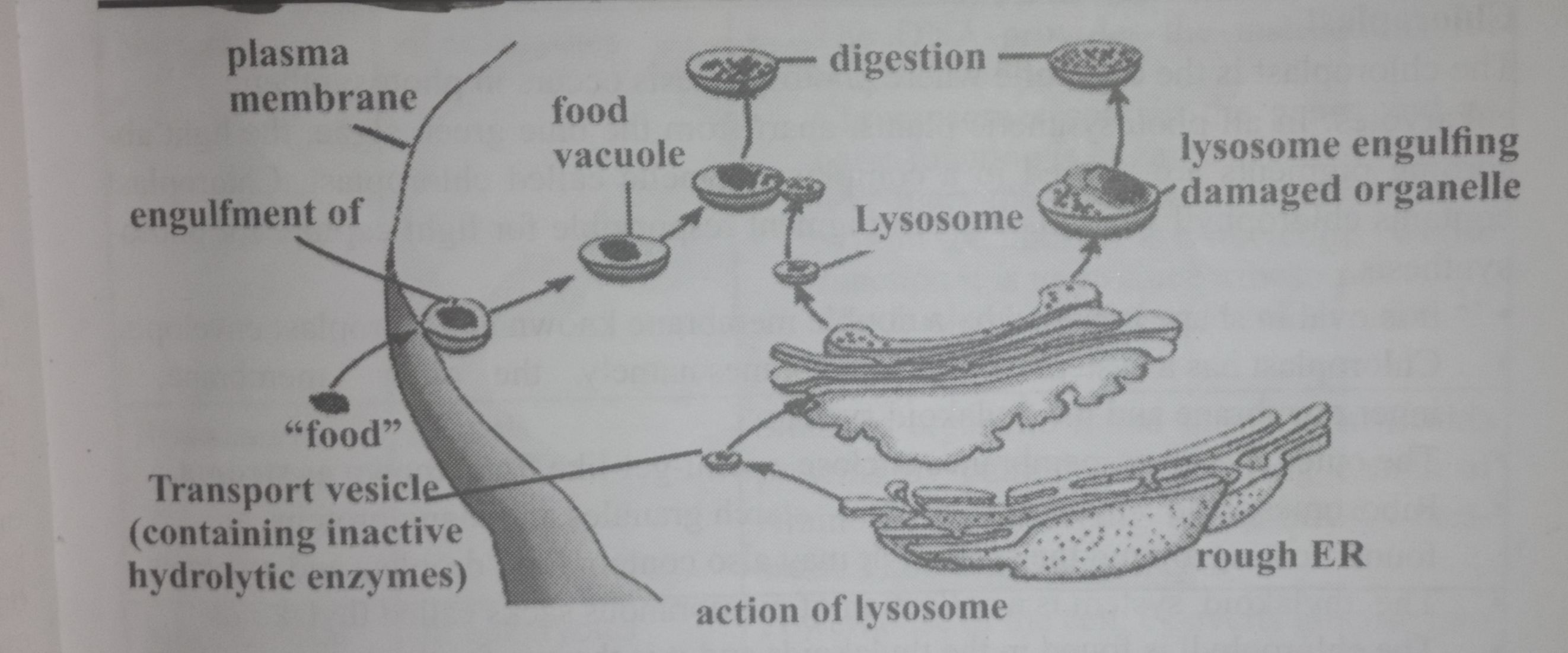
Lysosomes are membrane-bound vesicles that contain digestive enzymes, such as glycosidases, and proteases. Lysosomal enzymes are synthesized in the endoplasmic reticulum (ER), are transported to the Golgi apparatus, and are tagged for lysosomes. The lysosomes also act as the waste disposal system of the cell by digesting unwanted materials in the cytoplasm, both from outside of the cell and obsolete components inside the cell.
Material from the outside of the cell is taken-up through endocytosis, while material from the inside of the cell is digested through autophagy. Lysosomes are known to contain more than 50 different enzymes. Some examples of enzymes present in the lysosomes include nucleases, proteases, lipases and carbohydrases. These enzymes are used to dissolve nucleic acids, proteins, lipids and carbohydrates. respectively.
Ribosomes are small, spherical organelles comprising ribonucleic acid (RNA) and proteins. These organelles are sites of protein assemblage and are responsible for protein synthesis. They occur scattered in the cytoplasm and are also found adhering to the surface of the ER. Ribosomes float freely in the cytoplasm.
Vacuoles are fluid-filled organelles surrounded by a membrane called tonoplast typical of plant cells. Plant cells contain large and permanent vacuole. They are small and temporarily in animal cells. Vacuole contains an aqueous solution of salts, sugars, pigments and other substances, often in very high concentrations. The concentrated sap of the vacuole is largely responsible for drawing water into plant cells thereby creating a pressure potential. The vacuoles provide support in herbaceous plant when they take water by osmosis. They also act as temporary stores for organic waste, such as tannins, anthocyanins pigments, and mucilaginous compounds.
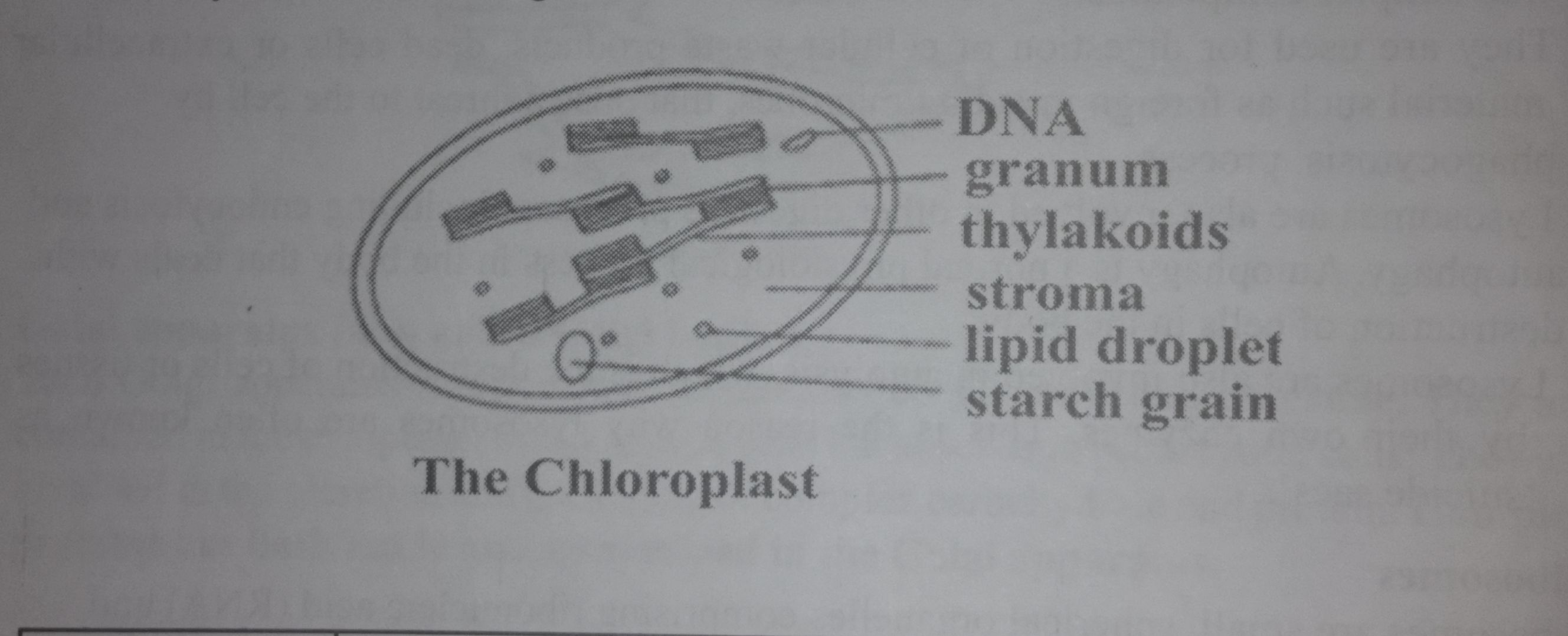
The chloroplast is the organelle where photosynthesis occurs in photosynthetic eukaryotes. In all photosynthetic plants, apart from the blue-green algae, the light-absorbing pigments are housed in a complex organelle called chloroplast. Chloroplast contains chlorophyll which is a green pigment responsible for light capture for photosynthesis.
| Organelle | Plant/animal or both | Function |
|---|---|---|
| Cell wall | Plants, prokaryotes |
|
| Chloroplast | Plants | Uses the energy from sunlight to form glucose molecules from CO2 and H2O. |
| Organelle | Found In | Functions |
|---|---|---|
| Nucleus | All eukaryotes |
|
| Ribosomes | All cells | Builds proteins by putting together amino acid chains according to mRNA messages |
| Mitochondria | All eukaryotes | Powerhouse of the cell. Converts glucose into ATP, an energy molecule used in cell reactions. |
| Cell membrane | All cells | Selectively permeable to ions and organic molecules, controls the movement of substances in and out of cells, protects the cell from outside forces. |
| Cytoplasm | All cells | Liquid that fills the cell, contains proteins and dissolved ions involved in cell reactions. |
| Vacuole | All eukaryotes |
|
| Golgi body | All eukaryotes | Receives products from the ER, adds final modifications, sorts products, and sends them to their final destinations. |